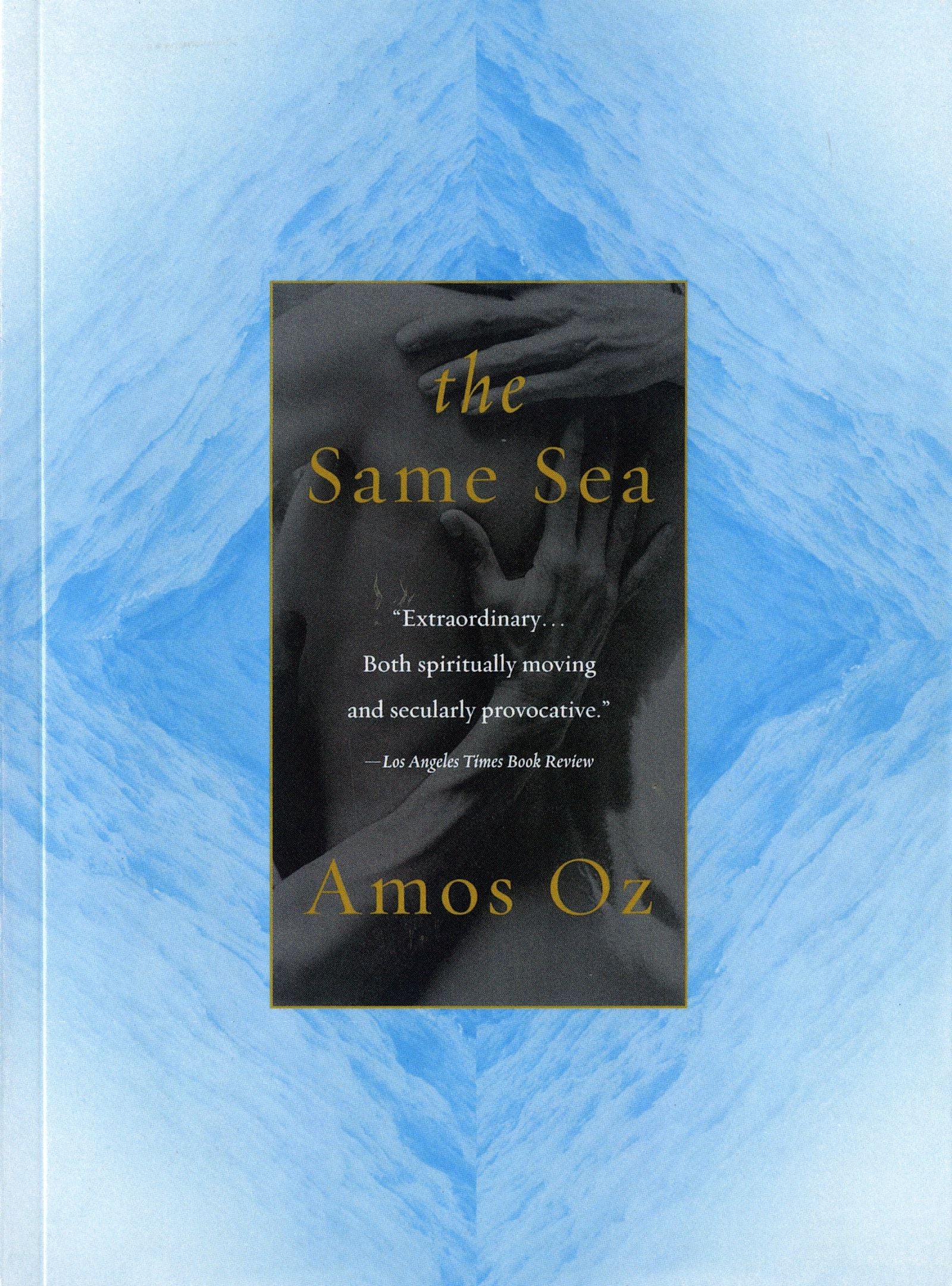
The Same Sea
“In a world full of hype, noise, and confusion, the simple lucidity of The Same Sea is totally unexpected.” — New York Times Book Review
The Same Sea is Amos Oz’s most adventurous and inventive book, a novel of lyrical beauty and narrative power. We meet the middle-aged Albert; his wife, whom he has lost to cancer; his prodigal son, who wanders the mountains of Tibet hoping to find himself; and his son’s young girlfriend, with whom Albert becomes infatuated. The author himself receives phone calls from his creations, criticizing him for his portraits of them. A fever dream of chaos and order, love and eroticism, loyalty and betrayal.
“A prose poem . . . at once melancholic and sensual.” — The New Yorker
The Same Sea is Amos Oz’s most adventurous and inventive book, a novel of lyrical beauty and narrative power. We meet the middle-aged Albert; his wife, whom he has lost to cancer; his prodigal son, who wanders the mountains of Tibet hoping to find himself; and his son’s young girlfriend, with whom Albert becomes infatuated. The author himself receives phone calls from his creations, criticizing him for his portraits of them. A fever dream of chaos and order, love and eroticism, loyalty and betrayal.
“A prose poem . . . at once melancholic and sensual.” — The New Yorker
“In a world full of hype, noise, and confusion, the simple lucidity of The Same Sea is totally unexpected.” — New York Times Book Review
The Same Sea is Amos Oz’s most adventurous and inventive book, a novel of lyrical beauty and narrative power. We meet the middle-aged Albert; his wife, whom he has lost to cancer; his prodigal son, who wanders the mountains of Tibet hoping to find himself; and his son’s young girlfriend, with whom Albert becomes infatuated. The author himself receives phone calls from his creations, criticizing him for his portraits of them. A fever dream of chaos and order, love and eroticism, loyalty and betrayal.
“A prose poem . . . at once melancholic and sensual.” — The New Yorker
The Same Sea is Amos Oz’s most adventurous and inventive book, a novel of lyrical beauty and narrative power. We meet the middle-aged Albert; his wife, whom he has lost to cancer; his prodigal son, who wanders the mountains of Tibet hoping to find himself; and his son’s young girlfriend, with whom Albert becomes infatuated. The author himself receives phone calls from his creations, criticizing him for his portraits of them. A fever dream of chaos and order, love and eroticism, loyalty and betrayal.
“A prose poem . . . at once melancholic and sensual.” — The New Yorker
$3.36
Original: $11.19
-70%The Same Sea—
$11.19
$3.36Description
“In a world full of hype, noise, and confusion, the simple lucidity of The Same Sea is totally unexpected.” — New York Times Book Review
The Same Sea is Amos Oz’s most adventurous and inventive book, a novel of lyrical beauty and narrative power. We meet the middle-aged Albert; his wife, whom he has lost to cancer; his prodigal son, who wanders the mountains of Tibet hoping to find himself; and his son’s young girlfriend, with whom Albert becomes infatuated. The author himself receives phone calls from his creations, criticizing him for his portraits of them. A fever dream of chaos and order, love and eroticism, loyalty and betrayal.
“A prose poem . . . at once melancholic and sensual.” — The New Yorker
The Same Sea is Amos Oz’s most adventurous and inventive book, a novel of lyrical beauty and narrative power. We meet the middle-aged Albert; his wife, whom he has lost to cancer; his prodigal son, who wanders the mountains of Tibet hoping to find himself; and his son’s young girlfriend, with whom Albert becomes infatuated. The author himself receives phone calls from his creations, criticizing him for his portraits of them. A fever dream of chaos and order, love and eroticism, loyalty and betrayal.
“A prose poem . . . at once melancholic and sensual.” — The New Yorker